




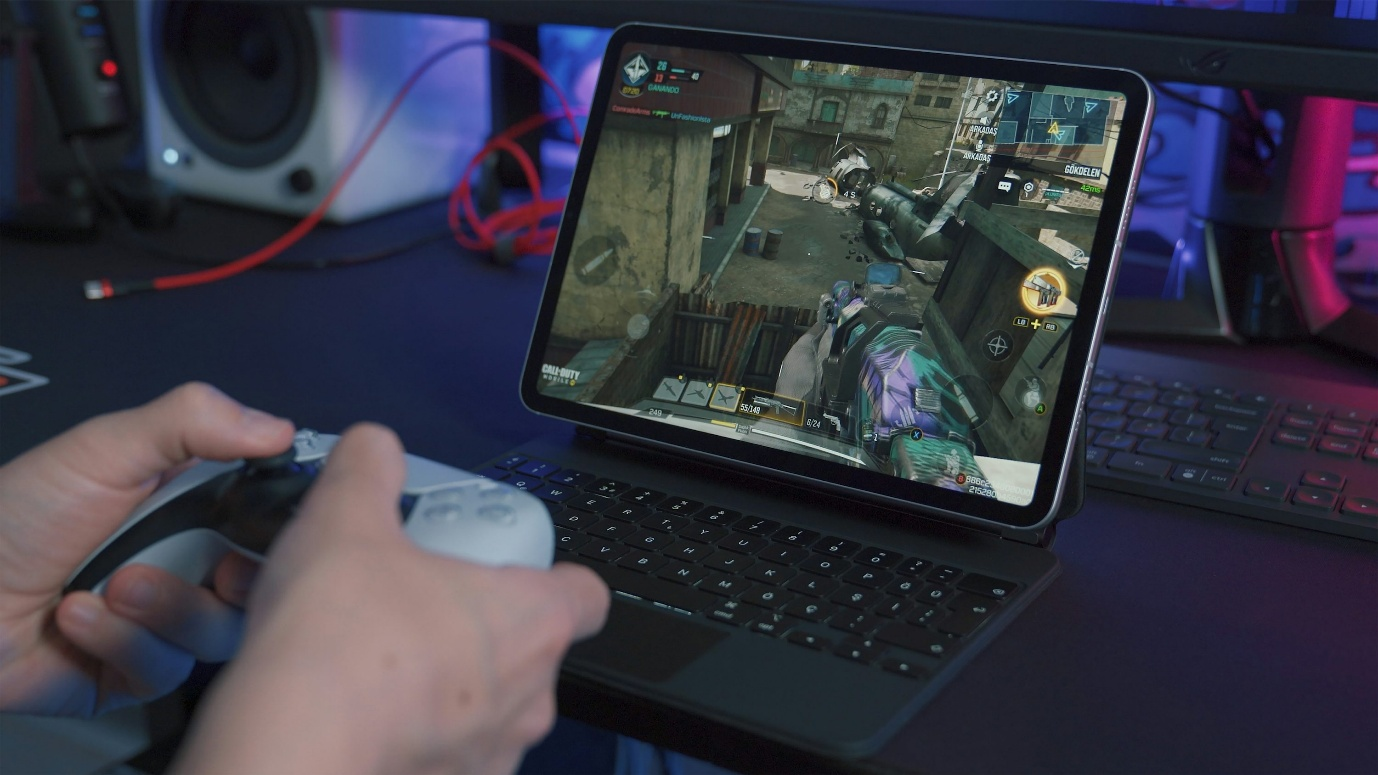
Competitive gaming has evolved into an advanced professional athletic competition. The initial local competitions have developed into a worldwide professional circuit which enables players to earn substantial monetary awards and secure endorsement contracts while building their international fame. The esports athletes of today practice their sports for multiple hours each day, using game analysis to enhance their reaction skills and develop their partnership abilities, which mirrors the training methods of standard athletes. Competitive gaming now generates the same level of excitement which viewers experience during live sports events that occur in stadiums around the world.
Discipline, Training, and the Rise of Esports Athletes
Success in esports competitions depends on careful planning because success cannot be achieved through random chance. Professional players dedicate their time to practice and gameplay analysis and tactical development and game mechanic mastery. Competitors use performance tracking platforms to get an edge over their rivals whereas Lavicheats gaming performance platform helps players in deep diving their gameplay data to get the best results from their training sessions.
Esports stars set up training plans that are similar to the everyday routines of traditional sports athletes, who do practice, strategy sessions, and team drills. Coaches use past match footage to help players identify their errors while creating effective game strategies. Professional sports organizations use this type of preparation to establish their discipline standards in football clubs and basketball teams and other sporting teams.
Technology Driving Competitive Performance
The ongoing evolution of competitive gaming exists because modern esports technology functions as its primary force. Players rely on advanced equipment together with optimal settings and tools for tracking their performance as their primary method of gaining competitive advantages.
Players can use contemporary gaming analytics systems to analyze complete match data which allows them to assess their reaction performance and develop skills for making decisions under stress. Players receive valuable opportunities to develop their strategies through analysis which uncovers hidden patterns that most people would miss.
The Spectator Experience: Stadiums to Streaming
Esports and traditional sports both share a common aspect because both sports work to establish connections with their spectators. Esports tournaments attract thousands of people who fill massive venues while additional fans watch through online streaming services. It is also the match with the championship sports environment since it incorporates passionate fans and expert commentators who provide match analysis during the breaks.
Supporters demonstrate their devotion towards their team by holding on to their players and the team even when they are faced with doubts. When a team wins a game, fans take part in the celebrations but at the same time, they also share their views about the team’s tactics and strategies on various social media and gaming platforms.
Sports fans get equally emotionally attached to their teams not only during important game moments but also during big league sporting events.
Sponsorships, Branding, and the Business of Competition
Competitive gaming has established itself as a commercial industry that generates substantial financial revenue. The gaming audience has developed such a strong presence that global brands now provide their sponsorship support to esports organizations and individual players and gaming tournaments.
The financial support enables teams to develop their training facilities and hire coaching staff and acquire advanced analytics tools. Through their streaming channels and social media platforms and their production of content players develop their personal brands. Traditional athletes who achieve competitive success develop marketing partnerships that create identical career opportunities about which these players now have access.
The Expanding Future of Competitive Play
Competitive gaming demonstrates that digital arenas require players to master skill and dedication and strategy just as much as they need this expertise to compete in physical sports. Esports has become a major competitive industry because its audience numbers keep growing and its business relationships become stronger and its technological developments proceed rapidly. The professional sports world will continue to experience intense competition because esports will expand with more players entering the industry and competition levels rising.