








India’s sports economy is no longer just a cricket story. It is becoming a broader business system powered by media rights, sponsorships, digital viewing, infrastructure, manufacturing, and fan engagement.
The Business of Sports in India: From IPL to Emerging Leagues Quick Answer
India’s sports business is shifting from a cricket-heavy market into a wider multi-sport industry worth USD 19 billion today and projected to reach USD 40 billion by 2030. The IPL is still the biggest commercial engine, but emerging leagues, sports tech, infrastructure, and non-cricket sponsorships are expanding the market fast.
Why this moment matters
The Business of Sports in India: From IPL to Emerging Leagues is not just a catchy phrase. It describes a real change in how sport works in the country.
For beginners, the easiest way to see it is this: sport in India is now more than matches and trophies. It is also a business ecosystem. Fans create attention, broadcasters and streaming platforms package that attention, brands pay for access to it, and teams, venues, and cities all benefit in different ways.
The overall industry stands at USD 19 billion and is growing at a CAGR of 12–14 per cent. By 2030, it is expected to reach USD 40 billion. That kind of growth shows that sport is moving from a mostly entertainment-led space into a serious economic sector with links to jobs, tourism, manufacturing, technology, and media.
IPL remains the centre of gravity
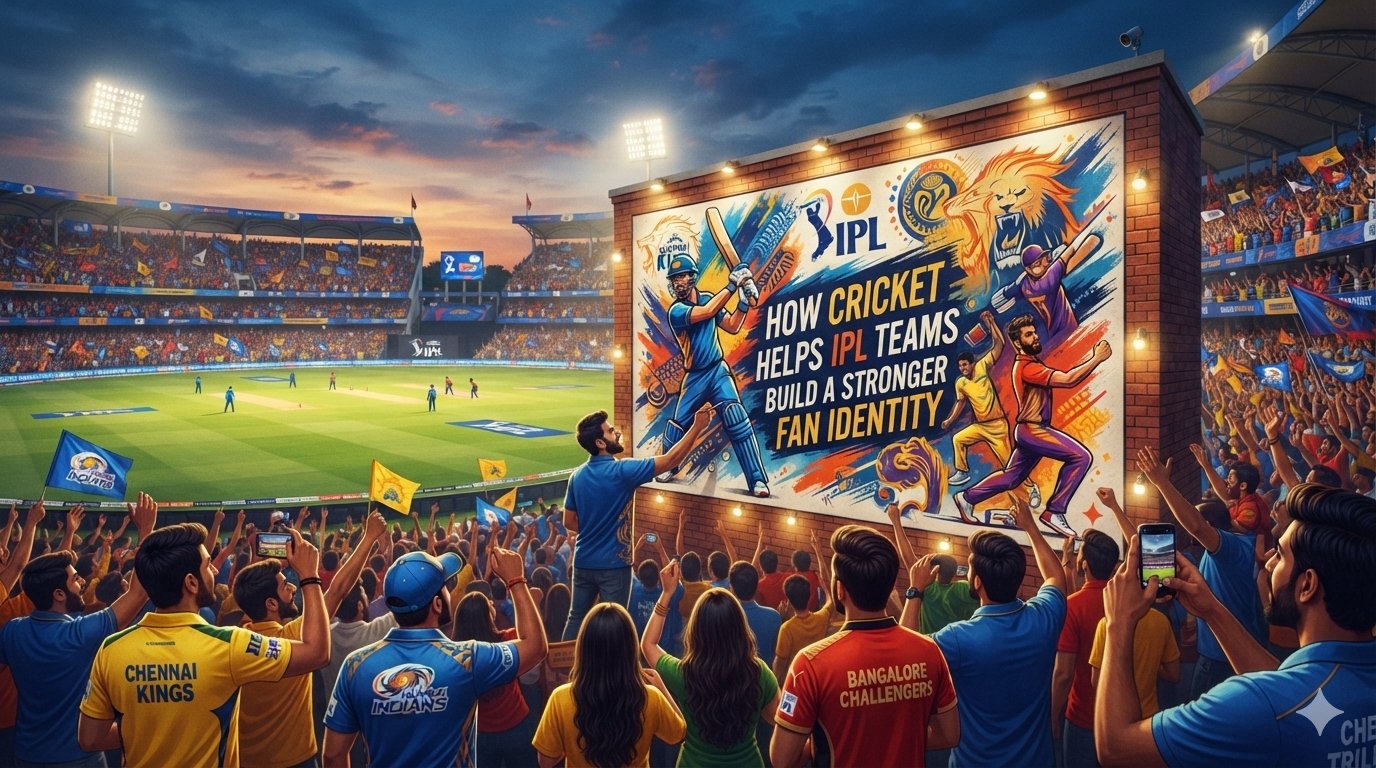
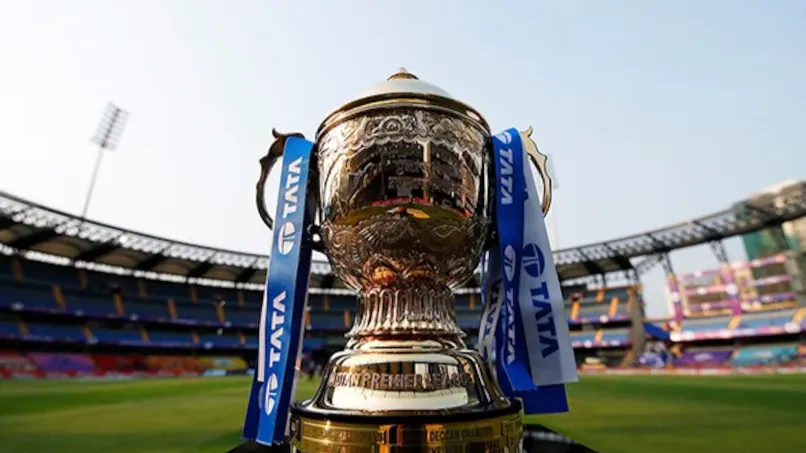
If you want one example of how sports business can scale in India, the IPL is the clearest one. Nearly two decades after launch, it has become one of the country’s strongest media properties while running for barely eight weeks a year.
Its estimated valuation is around USD 18 billion in FY25. That is striking because one league now sits close to the size of India’s entire sports industry. The IPL works by compressing attention into a short, high-intensity window, which helps it attract premium ad rates, heavy sponsorship demand, and huge live audiences.
This is also why major tournaments pull in all kinds of digital behaviour, from streaming spikes to casual searches like download 1xbet apk. Big sports events in India do not just attract hardcore fans. They create a wider entertainment moment across phones, apps, and social platforms.
The media rights story is huge
The biggest engine behind IPL growth is media rights. Broadcast and digital rights rose from USD 918 million in 2008 to USD 6.2 billion for the 2023–2027 cycle. That reflects an 18 per cent compound annual growth rate, which is massive for any sports or media property.
Viewership helps explain why the numbers keep rising. The league reaches close to a billion viewers across television and digital platforms. IPL 2025 drew more than 450 million viewers across TV and digital, and the opening weekend alone recorded 1.37 billion views. In a mobile-first country like India, that kind of concentrated attention is incredibly valuable to advertisers.
Why investors like IPL franchises
The IPL is not only about audience size. Its franchise model also looks unusually stable.
Unlike many global leagues, it is a closed system with no relegation risk. More than 70 per cent of team revenues come from centrally pooled media rights and sponsorship deals, which gives franchises predictable cash flows. That is why teams are often seen less as risky sporting bets and more as annuity-like assets with structured income.
Revenue comes from many layers now
Another reason the IPL matters so much is that its business model is not dependent on one single income stream. Media rights are the headline, but they are only part of the picture.
Advertising income is projected to touch USD 600 million in 2025. Advertising revenues have grown from ₹350 crore in the early years to an estimated ₹6,000–7,000 crore by 2025. Title sponsorships have increased from ₹40 crore to about ₹500 crore, while franchise-level sponsorships add another ₹1,300 crore.
- Central media rights create the largest revenue pool.
- League sponsorships bring in premium national brands.
- Team sponsorships help franchises build their own commercial identity.
- Digital viewing creates more ad inventory and better audience targeting.
That layered structure is a big reason the IPL has become a reference point for other leagues in India.
The impact goes beyond cricket grounds
Sports business is not limited to what happens on a scoreboard. Big leagues also affect local economies in very visible ways.
During the IPL season, hotel occupancy in host cities often exceeds 90 per cent. Travel demand can rise by 60–70 per cent. Matchday revenues account for less than 10 per cent of franchise income, but their local effect is much larger than that share suggests. Hotels, transport services, food delivery platforms, event staff, and nearby retailers all see a boost when matches are on.
So even when a team’s direct ticket income is relatively small, the wider city economy still benefits. That is one reason sport is increasingly seen as a useful economic lever, not just a leisure product.
Cricket still dominates, but the market is widening
Cricket contributes nearly 80 per cent of India’s sports economy. That dominance is real, and it will likely continue for some time.
Still, the market is no longer only about cricket. Leagues in kabaddi, football, volleyball, and women’s sports are gaining traction. This matters because a healthier sports economy needs more than one flagship product. A broader mix creates more sponsorship inventory, more athlete pathways, more regional fan communities, and more reasons for broadcasters and streaming platforms to keep audiences engaged all year.
What is helping emerging leagues grow
Several things are pushing these leagues forward. Better production quality makes non-cricket competitions easier to watch and follow. Streaming platforms reduce dependence on traditional TV schedules, and brands are becoming more open to backing smaller but loyal audiences.
Non-cricket sponsorships crossed ₹16,633 crore, or about USD 2 billion, in 2024, with non-cricket sponsorships growing 19 per cent year on year.
- Digital platforms make discovery easier for new fans.
- Regional identity helps leagues build local loyalty.
- Women’s sport is opening fresh sponsorship categories.
- Short-format competitions fit modern viewing habits.
Not every league will become the next IPL. But the market does not need that. It only needs more sports properties to become sustainable and commercially credible.
The wider ecosystem is getting stronger
One of the biggest changes in Indian sport is that the conversation now goes beyond leagues. The ecosystem includes 16 sub-sectors, which gives a fuller picture of how value is created across the industry.
Infrastructure investment in sports stands at USD 2.7 billion and is projected to rise to USD 6 billion by 2030. More than 1,000 Khelo India Centres and over 100 SAI Centres are already operational. That matters because commercial growth needs a pipeline of athletes, venues, and training systems behind it.
Sports goods manufacturing is another major pillar. It is valued at USD 6.7 billion and is projected to reach USD 11 billion by 2030, with hubs such as Meerut and Jalandhar playing a central role.
Sports tech, already estimated at USD 1.6 billion, includes AI tools, wearables, OTT platforms, and stadium modernisation. Sport is now being shaped by data and technology almost as much as by talent and fandom.
What beginners should watch next
The next phase of growth will depend on how well India connects all these pieces. A successful league is valuable, but a connected sports system is far more powerful.
Three things are especially worth watching:
- Whether emerging leagues can build repeat audiences instead of one-season buzz.
- Whether women’s sport gets steady commercial backing rather than occasional attention.
- Whether infrastructure and grassroots development keep pace with media-led growth.
The big picture is encouraging. India has already shown it can build a world-class sports entertainment product through the IPL. Now the larger challenge is building a world-class sports economy around it. If that happens, the future of Indian sport will be defined not by one league alone, but by a stronger and more resilient multi-sport market.
FAQ
Q: Why is the IPL so important to India’s sports business?
A: The IPL combines huge media rights, massive digital viewership, strong sponsorship demand, and stable franchise revenues in a short season. That makes it one of India’s most efficient sports business models.
Q: Is India still mainly a cricket market?
A: Yes, cricket contributes nearly 80 per cent of the sports economy. But kabaddi, football, volleyball, and women’s sports are steadily expanding the market.
Q: How do sports leagues help cities and local businesses?
A: Major tournaments increase hotel occupancy, travel demand, transport use, food delivery orders, and temporary employment. Their local economic effect often goes well beyond ticket sales.
Q: What role does technology play in Indian sport now?
A: Sports tech supports athlete performance, fan engagement, streaming, wearables, AI tools, and stadium upgrades. It has already become a USD 1.6 billion segment of the industry.
Q: What could drive the next stage of growth?
A: Better infrastructure, stronger emerging leagues, more non-cricket sponsorship, and deeper investment in women’s sport could push the industry toward its USD 40 billion target by 2030.