







India vs Germany Hockey Head To Head
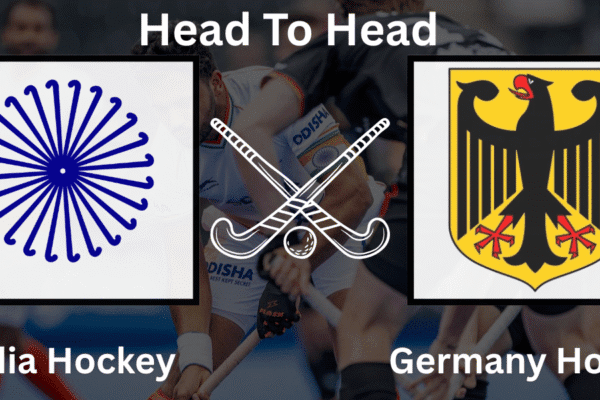
For countries such as India and Germany, field hockey is more than just a game. It’s also a way to express their identity, pride and heritage. Both nations have made their mark in the sport, creating legacies which still resonate with fans all over the world. When these two hockey giants meet, it is not just about goals. It’s also about style, history and national pride. India and Germany have been playing hockey against each other for nearly a hundred years. Their battles, from India’s golden age led by Dhyan Chad to Germany becoming a disciplined European giant tell the evolution of hockey. Take a look at this amazing head-to-head history and find out what makes it the most exciting rivalry in international hockey. The First Encounter: India Announces itself (1932) In Munich, the first ever meeting between India and Germany was held on 9th September 1932. India, which was already dominating the world of hockey, thrashed Germany by 6-0. It was not just any win. This was an artistic display by a team which included the legendary Dhyan Chand whose name still evokes awe. India’s style back then was based on rapid passing and fluid teamwork. Opponents had no chance to react. This first match was not only a tough introduction for Germany to elite hockey but also planted the seeds for a long-lasting rivalry. The 1936 Berlin Olympics – A historic Showdown The 1936 Berlin Olympics featured the most famous battle. This final, set against the backdrop of Nazi Germany’s tension, was more than just a sporting event. It was political theatre. Dhyan Chand led the way as India defeated Germany by 8-1 before Adolf Hitler. India’s dominance was cemented by the victory, which gave them their third consecutive Olympic Gold Medal. It was also a symbolic rebuttal of Hitler’s propaganda about Aryan supremacy. This match was the stuff of legends for hockey fans. It was a bitter memory for Germany that would fuel its desire to succeed in the years to come. Post Independence Era: India Strong and Germany Rising India continued to excel in hockey in the 1950s through the 1960s after its independence in 1947. India was the team to beat with multiple Olympic titles while Germany laid the foundations for its future dominance. In the 1970s things started to change. The European nations, particularly Germany, began to introduce tactical discipline, strict physical training and structured play. India, with its traditional flair-based style of hockey, was in stark contrast. The clash of philosophies–creativity versus discipline-made their encounters even more compelling. At the 1976 Montreal Olympics a turning point was reached when Germany won 7 matches and India just 1. It wasn’t only a huge win, it also represented a shift in the balance of hockey power. Europe began to take over, as Asia led by India, Pakistan and China struggled with modernization of training and tactics. Head to head numbers: Who leads the rivalry? Here’s a look at the rivalry between the two teams in the FIH Pro League as of the most recent match: The numbers clearly show that Germany has been the dominant power in recent times. India’s 28 victories and almost 27 draws show their ability to compete with the Europeans even in lean periods. The Modern Era – India’s Resurrection, Germany’s Consistency Germany was one of the most consistent nations in the world as the 2000s began. They won Olympic Gold Medals in 2008 and 2012 with a well-structured youth program and a strong national league. They were known for their rock-solid defensive play, rapid transitions and tactical mastery. India struggled to keep up for a while. A new era started in the 2010s. Investments in infrastructure, coaching and fitness began to pay off. The Indian team was revitalized by players such as PR Sreejesh and Manpreet. The matchups with Germany suddenly became even. The gap in the FIH games, World Cups or Champions Trophy was closing. In most games, the outcome was decided by one or two goals. The Latest Clash: India’s narrow, but powerful victory The FIH Pro League matches in Bhubaneswar are a good example of India’s development. India defeated Germany with a score 1-0. It was only a small win, but it had an enormous psychological impact. Three points was not enough. The goal was to demonstrate that India can now compete with the best in the world by combining fitness and tactical awareness, without losing their traditional flare. East meets West – Contrasting styles of playing India vs Germany is a game that’s exciting because of the clash of styles. This combination of two philosophies creates a tactical chess game with fast-paced moments. Memorable rivalry matches Several notable conflicts have occurred over the last 100 years: The Contributions and Legacy Of World Hockey Both nations have made a significant contribution to the sport: Together, they have pushed each other forward. India’s struggle to overcome Germany’s strict discipline made it modernize. Germany’s encounters with India taught them to deal effectively with India’s unpredictable and creative flair. What can you expect? India and Germany’s rivalry is only going to grow. Here’s why: Conclusion: Not just Stats Germany is the winner. But India’s and Germany’s hockey rivalry is more than just numbers. It’s about pride in national heritage, and the changes that have occurred over the last century. This rivalry has endured because of India’s early dominance, India’s artistic talent, Germany’s rise through discipline and structure, and the current era tactical battles. Each match is a historical moment that future hockey fans will remember. When India and Germany meet, fans can expect to see the best in hockey, with a combination between strategy, skill, and passion. Read Also